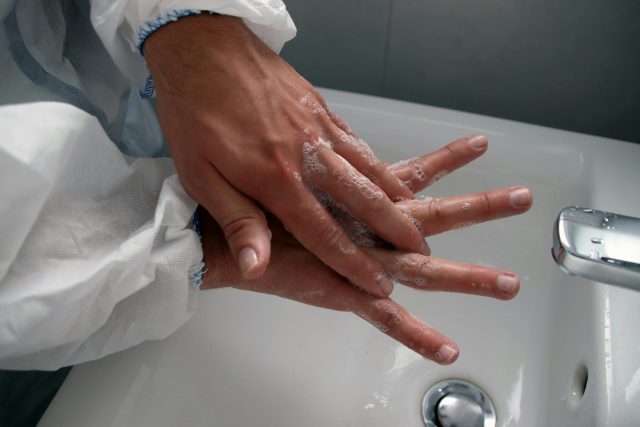
Workplace hygiene is often treated as a background issue, noticed only when something goes wrong. In reality, it plays a central role in employee health, productivity, morale, and even legal compliance. One of the simplest yet most effective tools for improving hygiene is clear, visible signage that reminds people to wash their hands. An employees must wash hands sign may seem basic, but its impact reaches far beyond the restroom door.
The Impact of Hand Hygiene on Workplace Productivity
The Connection Between Clean Hands and Efficiency
Hand hygiene directly affects how smoothly a workplace operates. When employees wash their hands regularly, the spread of germs drops significantly, reducing the number of illnesses circulating through the office, shop floor, or facility. Fewer illnesses mean fewer sick days, fewer disruptions, and more consistent performance across teams.
Clean hands also reduce interruptions caused by minor but frequent health issues, such as colds or stomach bugs. These may not always lead to full absences, but they can slow people down and lower focus. By reinforcing handwashing as a normal, expected behavior, organizations create an environment where employees can stay on task and work at full capacity more often.
Over time, this consistency adds up. Even small reductions in absenteeism and presenteeism can have a noticeable effect on output, deadlines, and overall efficiency.
How Illness Affects Employee Performance
When illness enters the workplace, the effects ripple outward. One sick employee can quickly lead to several others falling ill, especially in shared spaces. Absenteeism increases, workloads shift, and stress levels rise for those covering additional responsibilities.
Presenteeism—when employees work while sick—is another major issue. People may show up because they feel pressure to do so, but their productivity is often reduced, and they may unknowingly spread illness to others. This creates a cycle that can drag down an entire department.
Clear hand hygiene reminders, including strategically placed signage, act as a preventive measure. They reinforce behaviors that reduce the likelihood of illness spreading in the first place, protecting both individual employees and the organization as a whole.
The Role of Hygiene in Morale and Job Satisfaction
Employees notice when their workplace takes health seriously. When hygiene is visibly promoted, it sends a message that management values employee well-being, not just output. This can have a meaningful effect on morale.
Feeling safe at work reduces anxiety, especially during flu season or public health concerns. When people trust that their environment is clean and that others are encouraged to follow basic hygiene practices, they are more likely to feel comfortable, engaged, and satisfied in their roles.
In contrast, poor hygiene practices can breed frustration and resentment. Employees may feel that their health is being overlooked, which can lead to disengagement or higher turnover. Promoting handwashing is a small but powerful way to show care and responsibility.
Creating a Culture of Cleanliness in the Workplace
Designing Effective Hygiene Signage
Not all signs are equally effective. For a handwashing sign to work, it needs to be noticeable, clear, and easy to understand at a glance. Placement is just as important as design. Signs should be located where decisions are made—near restrooms, sinks, break rooms, and food preparation areas.
Simple language, strong contrast, and clear visuals help ensure the message is understood quickly. Overly cluttered or wordy signs are more likely to be ignored. A well-designed employees must wash hands sign serves as a prompt, not a lecture.
Consistency also matters. When similar signage appears throughout a facility, it reinforces the idea that hygiene is a shared responsibility, not a one-off reminder.
Incorporating Hygiene Into Training and Onboarding
Signage works best when it supports a broader message. Hygiene expectations should be introduced during onboarding and reinforced through regular training. When employees understand why handwashing matters—not just that it is required—they are more likely to take it seriously.
Short training sessions, refreshers during safety meetings, or visual demonstrations can help reinforce proper handwashing techniques. This is especially important in industries such as food service, healthcare, manufacturing, and childcare, where hygiene has direct safety implications.
By pairing education with visible reminders, organizations make hygiene part of everyday behavior rather than an afterthought.
Encouraging Participation Through Positive Reinforcement
People are more likely to follow guidelines when they feel supported rather than policed. Positive reinforcement can go a long way in encouraging good hygiene habits. This might include verbal recognition, team challenges, or small incentives tied to health and safety initiatives.
Involving employees in cleanliness efforts—such as suggesting sign placement or participating in awareness campaigns—can also increase buy-in. When hygiene feels like a shared goal rather than a top-down rule, participation tends to improve naturally.
The Science Behind Handwashing
Understanding Germ Transmission in Shared Spaces
Workplaces are full of shared surfaces: door handles, keyboards, tools, phones, and break room appliances. Germs can survive on many of these surfaces for hours or even days. Hands act as the primary vehicle for transferring those germs from surfaces to faces, food, or other people.
Research shows that a large percentage of infectious diseases are spread through touch. Regular handwashing breaks this chain of transmission, making it one of the most effective defenses against common workplace illnesses.
Signage helps keep this science top of mind, especially during busy moments when people might otherwise skip washing their hands.
The Microbiome of Your Hands
Hands naturally carry a mix of harmless and harmful microorganisms. While it is neither possible nor desirable to eliminate all bacteria, washing hands with soap and water significantly reduces harmful pathogens that cause illness.
Poor hand hygiene allows these harmful microbes to build up and spread. Regular handwashing restores balance and lowers the risk of infection. Understanding that hands are not “clean by default” helps explain why reminders are necessary, even for experienced or long-term employees.
Best Practices for Effective Handwashing
Effective handwashing involves more than a quick rinse. The recommended process includes wetting hands, applying soap, scrubbing all surfaces for at least 20 seconds, rinsing thoroughly, and drying with a clean towel or air dryer.
While most adults know this in theory, reminders help reinforce proper technique. Visual cues near sinks can prompt employees to wash long enough and thoroughly enough to make a real difference.
Legal and Ethical Considerations
Workplace Health and Safety Regulations
In many industries, hand hygiene is not just encouraged—it is required. Occupational health and safety regulations often mandate access to handwashing facilities and reasonable measures to reduce health risks.
Failing to promote hygiene can expose employers to regulatory penalties, inspections, or fines. Clear signage is one of the simplest ways to demonstrate compliance and proactive risk management.
Reducing Liability Through Preventive Measures
If an illness outbreak occurs and it can be shown that basic hygiene measures were ignored, employers may face legal consequences. Posting and maintaining clear handwashing signs shows that the organization took reasonable steps to prevent harm.
This documentation of effort can be important in audits, inspections, or legal disputes. It also reduces the likelihood of issues arising in the first place.
Hygiene as a Reflection of Company Values
How a company handles hygiene sends a message about its priorities. Organizations that promote cleanliness and health tend to be viewed as more responsible, ethical, and employee-focused.
Employees who feel protected and respected are more likely to trust leadership and stay engaged with their work. Over time, this trust strengthens workplace culture and reputation.
Final Thoughts
Hand hygiene is one of the most cost-effective ways to protect employee health and maintain productivity. While policies and training matter, visual reminders play a crucial supporting role. An employees must wash hands sign is a small investment with a wide-reaching impact, reinforcing healthy habits, reducing illness, and signaling that employee well-being is a priority.
By combining clear signage with education, positive reinforcement, and accessible facilities, organizations can build a culture of cleanliness that benefits everyone—day after day.