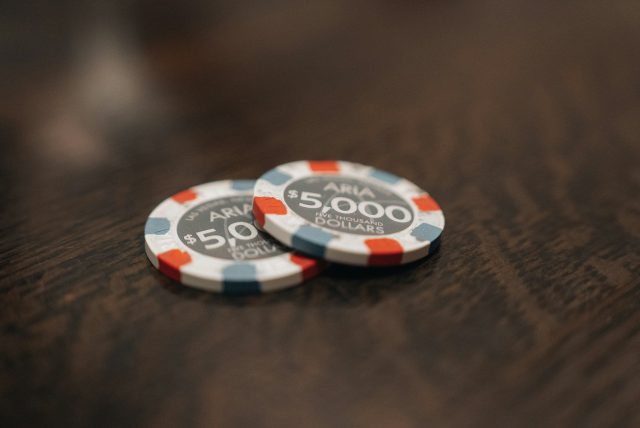
A $2 bet can be forgotten before halftime. A $200 bet follows every touch of the ball. The market is the same. The odds are the same. Even the prediction is the same. What changes is the way the match feels once there is more money attached to it. With a small bet, a missed chance is annoying. With a large one, the same chance can sit in your head for the next twenty minutes. You start watching the clock more closely. A harmless substitution feels important. A corner in the final minute suddenly becomes the biggest moment of the evening. That does not make a big bet better. It only makes it louder.
Small Stakes Leave Room for a Bad Read
Most bets do not fail because the person placing them knew nothing. They fail because football is messy. A strong team starts badly. A striker picks up a knock. A match expected to open up stays tight and ugly. Sometimes the research was reasonable and the game simply went somewhere else. Small bets leave room for that. One wrong call does not need to ruin the rest of the night, and there is less temptation to force another bet just to recover the first one. That matters more than people usually admit. A lot of poor decisions begin after a loss that felt too large to accept. The same applies to casino games. Someone trying a new slot does not yet know how quickly the balance can move, which settings affect the stake or whether the game even suits them. Starting with small betting gives the player time to understand what is happening before the session becomes expensive. There is nothing glamorous about it, but that is partly the point.
Large Bets Change the Way People Think
Big stakes can make an ordinary game feel important, which is exactly why some people prefer them. The problem is that the money often starts influencing the decision after the bet has already been placed. A bettor may plan to leave the match alone, then add another live bet because the first one looks weak. Someone who wins may raise the next stake because confidence has suddenly arrived. Someone who loses may do the same thing for the opposite reason. The amount grows, but the thinking rarely improves with it. Large bets also have a habit of making people remember the result differently. A lucky win is a good sign and assurance of the calls you make. A bad loss can feel like something that needs correcting immediately, even though the next match has nothing to do with the previous one. That is where the size of the bet becomes more important than the bet itself.
Big and Small Are Personal
There is no universal number. A $10 stake may feel insignificant to one person and uncomfortable to another. The useful measure is what happens if the full amount is lost. Does it remain part of the evening’s entertainment, or does it create a problem that carries into tomorrow? That answer usually tells you whether the bet is small or large. Small bets do not improve the odds, and big bets do not make a prediction more serious.