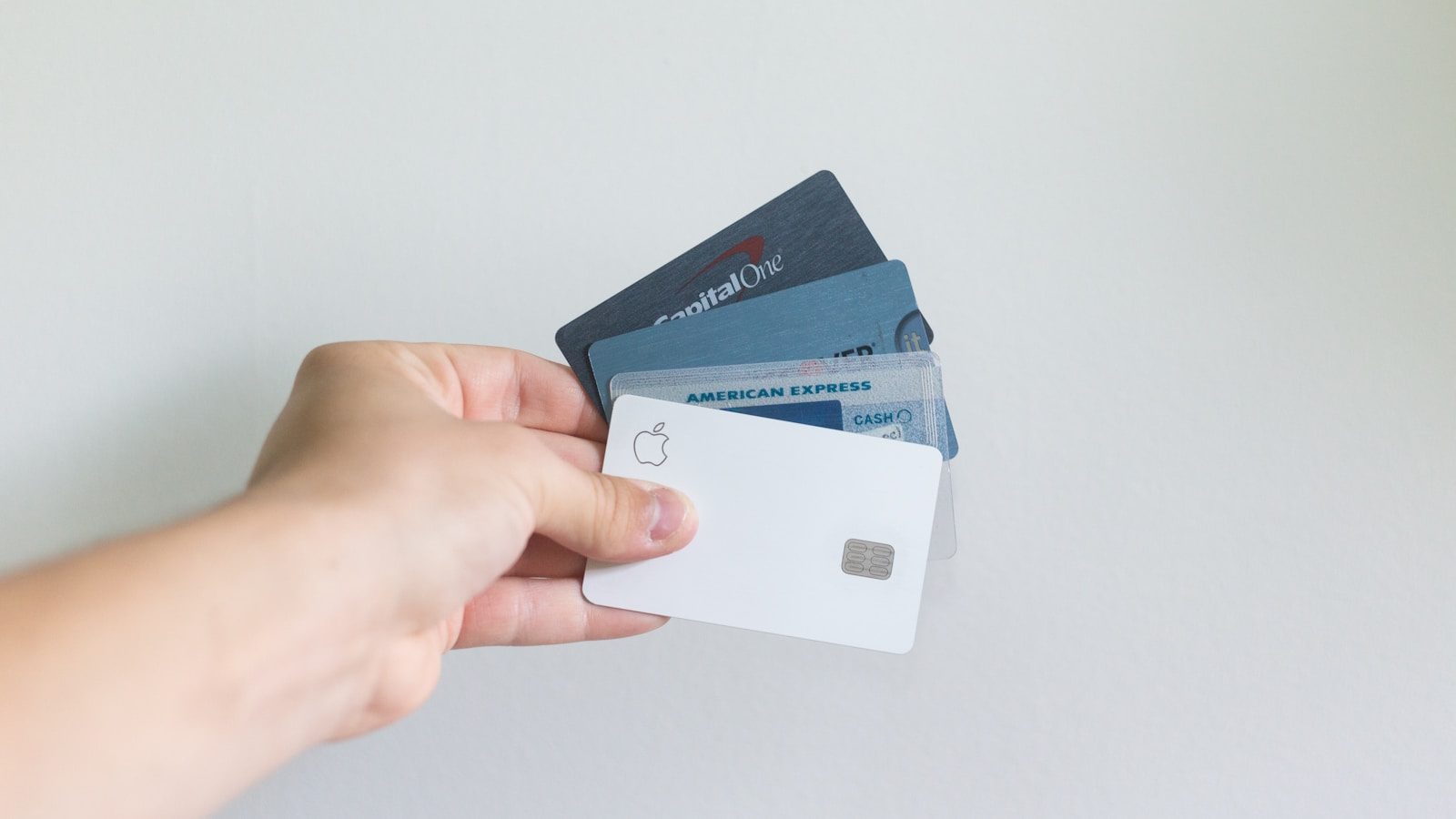
Managing money well is rarely about a single dramatic decision. More often, it comes down to small habits repeated consistently over time. A budget tells you where your money should go, while credit tools shape how you handle the gaps between income and expenses. When these two systems work together, they create a steady financial rhythm that absorbs surprises without throwing your whole month off course. The goal of this article is to show how a simple budgeting routine and a thoughtful approach to credit can reinforce each other, helping you stay in control rather than reacting to each new bill as it arrives.
Building a Budget You Will Actually Follow
The most accurate budget in the world is useless if you abandon it after two weeks. The best framework is the one you can maintain, so start with something straightforward. Begin by listing your reliable monthly income, then separate your spending into three broad groups: essentials such as housing, utilities, and groceries; financial commitments such as loan payments and minimum credit card balances; and flexible spending such as dining out and entertainment. A widely cited starting point is to direct roughly half of your income toward essentials, around thirty percent toward flexible wants, and the remaining twenty percent toward savings and debt reduction. These proportions are not rigid rules, but they give you a reference point to adjust against.
Once the categories are set, the routine matters more than the structure. Pick a fixed time each week, perhaps Sunday evening, to review what you spent and compare it against your plan. This short check-in keeps small overspending from quietly compounding into a larger problem. Many people find that simply seeing their numbers regularly changes their behavior, because awareness is often the missing ingredient rather than discipline. Over a few months, this habit reveals patterns you can act on, such as a subscription you forgot about or a category that consistently runs over.
Using Credit as a Tool, Not a Crutch
Credit becomes dangerous only when it operates outside your budget. Used deliberately, a credit card can offer fraud protection, a record of your spending, and a short grace period before payment is due. The discipline lies in treating your credit limit as a convenience, not as extra income. A practical rule is to charge only what you could already cover from your checking account, then pay the statement in full each month to avoid interest entirely. When you carry a balance, the cost of borrowing can quietly outweigh any rewards a card offers.
For short-term needs, it helps to understand the full landscape of options before committing to one. Comparison resources can clarify how interest rates, fees, and repayment terms differ across products, and reviewing an informational platform such as Sinyong Credit Pro is one way to see those distinctions side by side. The key habit is to read the terms slowly and confirm the total repayment amount, not just the headline rate. A loan that looks inexpensive at first glance can become costly once origination fees and the repayment period are factored in, so the real comparison is always the total you will pay back.
Equally important is keeping your credit utilization low. Utilization is the share of your available credit you are currently using, and lenders generally view lower numbers more favorably. Keeping your balances well under your limits, ideally below thirty percent, signals that you are not stretched thin and can support a stronger credit profile over time. This is where budgeting and credit intersect directly: a budget that funds your essentials from income keeps you from leaning on credit to fill recurring gaps, which in turn keeps your utilization healthy.
Connecting the Two Into One Routine
The real payoff comes when budgeting and credit management stop being separate activities. Your weekly budget review is the natural moment to also glance at your credit card balances, upcoming due dates, and any short-term obligations. By looking at both at once, you can spot when a flexible expense should be delayed, or when a planned purchase is better timed for after a statement closes. This single habit prevents the common trap of budgeting carefully while letting credit decisions happen on autopilot.
An emergency fund is the bridge that holds this system together. Even a modest cushion, built gradually through your savings allocation, reduces the need to reach for credit when an unexpected cost appears. Without that buffer, a single car repair or medical bill can force borrowing at exactly the wrong moment. With it, you can absorb the shock, keep your utilization steady, and protect the budgeting momentum you have built. Aim first for a small starter cushion, then expand it toward several months of essential expenses as your situation allows.
It also helps to automate the parts of the routine that do not require judgment. Setting up automatic payments for at least the minimum on every credit obligation protects you from late fees and the credit-score damage that missed payments cause. You can still pay more manually when your budget allows, but automation guarantees the floor. Pairing automation with your weekly review gives you the best of both: consistency for the predictable items and attention for the decisions that genuinely need it.
Smart money routines are not built overnight, and they do not depend on earning more or having perfect discipline. They grow from a repeatable weekly habit that links a realistic budget to a measured use of credit. When you plan your spending, treat credit as a tool kept inside that plan, and maintain a cushion for surprises, the two systems begin to support each other. Over time, that quiet consistency does more for your financial stability than any single big decision ever could.