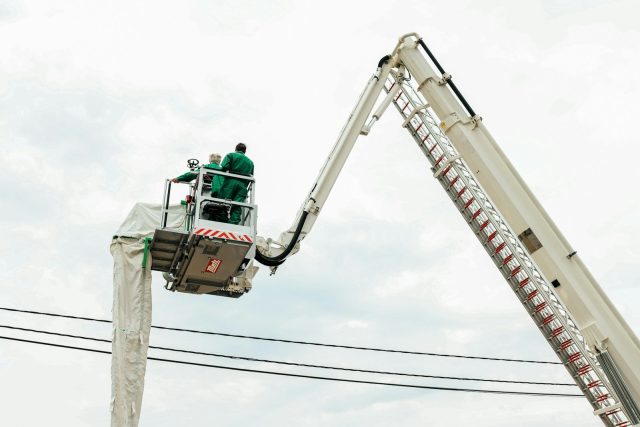
A job hazard analysis is a systematic process that allows employers and supervisors to properly identify hazards on the job-site. When conducted effectively, it can sharply reduce the risks of accidents and injuries for your employees.
But what exactly is included in this analysis and how do you properly conduct it?
Understanding Job Hazard Analysis
A Job Hazard Analysis (JHA) is a thorough procedure that requires breaking down a job into its individual tasks and identifying potential hazards associated with each step. The goal is to pinpoint where workers might encounter risks — whether from tools, equipment, materials, or the environment — and then implement controls to reduce or eliminate those hazards.
Unlike general safety checklists, which are also important, JHAs are tailored to specific tasks. For example, pouring concrete, installing scaffolding, and welding all present different dangers. A JHA allows supervisors and crews to focus on the exact risks tied to their work, making the process highly relevant and effective.
Why JHAs Matter in Construction
Construction sites change daily. New equipment arrives, crews rotate, and tasks shift as projects progress. This constant evolution creates fresh risks that aren’t always obvious. A JHA provides structure for anticipating hazards before they cause harm.
The benefits include:
- Fewer accidents and injuries. By addressing risks upfront, workers are less likely to face unsafe conditions.
- Improved compliance. Regulatory agencies such as OSHA encourage or require hazard assessments as part of workplace safety programs.
- Better productivity. When hazards are reduced, workers spend less time dealing with incidents and more time completing tasks safely.
- Enhanced safety culture. Involving workers in hazard assessments builds awareness and reinforces accountability.
How to Conduct a Job Hazard Analysis
While each company may have its own procedures, most JHAs follow a common structure.
- Select the job or task. Start by identifying which job to analyze. In construction, it makes sense to prioritize tasks with a history of accidents, jobs that involve high-risk equipment, or processes that are new or unfamiliar to the crew.
- Break the job into steps. Next, divide the task into individual steps. For example, setting up scaffolding might include unloading materials, assembling the base, erecting vertical supports, and securing guardrails. Breaking the process down ensures hazards at each stage are considered.
- Identify hazards. For each step, ask questions like “what could go wrong,” “what are the potential consequences,” or “what conditions could make the hazard more likely?” Hazards may include falling objects, trips and slips, contact with live wires, or equipment malfunctions. Workers who perform the job daily often provide the most useful insight here.
- Develop preventive measures. Once hazards are identified, decide how to control them. This may involve engineering solutions (like guardrails), administrative controls (like training or signage), or personal protective equipment (like harnesses or hard hats). Controls should be practical, effective, and clearly communicated.
- Implement and review. A JHA is only valuable if the results are put into practice. Share the findings with the crew, incorporate safety measures into daily operations, and review the analysis periodically. Conditions on a job-site can change quickly, and JHAs must be updated when new hazards appear.
Common Pitfalls to Avoid
While JHAs are powerful tools, they are only as effective as the effort put into them. Some common mistakes include treating the process as paperwork instead of a real hazard assessment, failing to involve frontline workers who know the tasks best, overlooking less obvious hazards, such as repetitive strain or exposure to noise, and not revisiting analyses when jobs or equipment change. Avoiding these pitfalls ensures the process remains meaningful and contributes to a safer workplace.
Involving Workers in the Process
A strong JHA isn’t exclusively developed by supervisors or safety officers; it should also involve the workers who perform the tasks every day. Their input is invaluable in spotting real-world risks and suggesting practical controls. Including them also increases buy-in. When workers feel part of the process, they are more likely to follow safety measures and look out for hazards proactively.
The Bigger Picture: Building a Culture of Safety
Conducting JHAs regularly contributes to a broader culture of safety in construction. When companies prioritize hazard identification and prevention, they send a clear message that worker safety matters. This culture not only reduces injuries but also boosts morale and helps attract skilled workers who want to be part of a safe and professional team.
Conducting a Better JHA
A Job Hazard Analysis is even more valuable than a basic safety checklist, as it’s a proactive strategy for preventing accidents in one of the world’s most dangerous industries. By breaking jobs into steps, identifying risks, and implementing effective controls, construction companies can protect workers, reduce downtime, and comply with regulations. In an environment where conditions change daily, the JHA is one of the most practical tools available for keeping safety at the forefront. For crews and companies alike, investing time in this process is an investment in health, productivity, and peace of mind.