When you think of high-class French cuisine, one of the first things that probably comes to mind is foie gras. However, these days, you don’t need to go to a fancy restaurant just so you can taste and experience this delectable food product. In fact, you can now buy foie gras in jars whenever you want, and even people who live in other parts of the world can order it for their households.
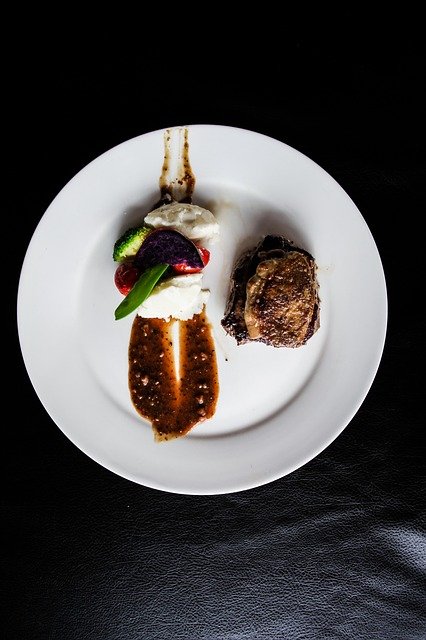
Despite being such a popular dish, there are still many myths about foie gras that need clearing up. That’s why in this article, we want to emphasize the benefits of eating foie gras and tips on how to enjoy it in the hopes that you can appreciate this product as much as we do.
What Is Foie Gras?
Before anything else, let’s first go back to the basics and talk about foie gras in general. For those who aren’t aware, foie gras is essentially a French phrase that means “fat liver.” This fatty liver could be taken from either a duck or a goose. The term ‘foie gras’ specifically refers to a whole liver, but you can use it to create different recipes or even eat it with crackers or wine.
Nutritional Value
As mentioned, foie gras is basically fatty liver, so it comes as no surprise that it’s quite high in fat. However, there’s more to foie gras than just that. It’s also full of rich vitamins and minerals that your body needs. Here’s a quick breakdown of the product’s nutritional value per 2 oz.
| Serving (2 oz.) | % Daily Value | |
| Calories | 250 (220 is from fat) | |
| Total Fat | 24g | 37% |
| Saturated Fat | 7g | 33% |
| Cholesterol | 210mg | 70% |
| Sodium | 410mg | 17% |
| Total Carbohydrates | 2g | 1% |
| Sugars | 1g | |
| Protein | 6g | |
| Vitamin A | 530% | |
| Iron | 20% |
History of Foie Gras
The concept of foie gras has actually been around for a very long time. As a matter of fact, it’s been said that foie gras originated all the way back to ancient Egypt. During that time, Egyptians noticed that geese tended to eat massive amounts of food during the wintertime, resulting to their livers expanding significantly.
Eventually, the concept of foie gras re-emerged when Jean-Pierre Clause—a French chef—revived and recreated the recipe, perfecting it and turning it into a luxury item. Now, foie gras is mostly made and produced in France, with the products from the southwestern part of the country being especially memorable.
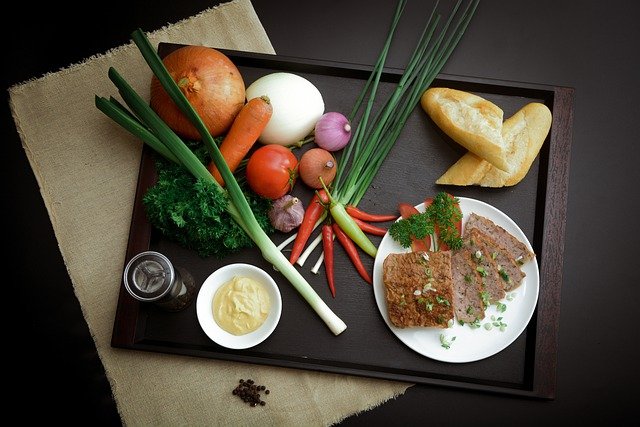
What Are the Benefits?
You Get To Enjoy French Cuisine
The southern and southwestern parts of France is known as the foie gras country because many—if not most—of the people who liver there enjoy partaking of this delicacy. As such, you might question the health of these residents, but believe it or not, the life expectancy rates in these areas are actually quite high.
Foie Gras Contains Good Fats
People typically consider fats to be bad, but this isn’t always the case. Good fats also exist, and you can find these in foie gras. If you eat a reasonable amount, you can add needed supplements to your body among other vitamins and minerals. Specifically, foie gras contains mono-saturated fats as well as polyunsaturated fats. That’s why if you eat this delicacy in healthy amounts, these good fats will help stabilize your cholesterol levels.
You Can Supply Your Body With Calories
Similarly, partaking in something that contains calories isn’t necessarily a bad thing. In the case of foie gras, you’ll typically take in about 250 calories (but 220 of that will be from the fat contents). Without a doubt, eating foie gras in healthy amounts can be an ideal supplement for your body, as it also contains sodium, sugar, proteins, and others.
Difference Between Duck and Goose Foie Gras
As mentioned, there are two types of foie gras you can buy. It can either be made out of duck liver or geese liver. Based on history, foie gras made from geese liver was the original recipe. As such, some people consider it to be a “better” product. However, duck liver is more readily available and definitely less expensive than geese liver, which is why it’s also more commonly used to create foie gras in modern times.
That being said, both types of foie gras are exquisite, but they differ in texture. Duck liver has a more rustic flavor and texture to it, making it have an earthier taste that you can really feel on your tongue. Many people prefer using duck foie gras if they plan on preparing something hot. On the other hand, goose liver is very silky and smooth in texture, which is the complete opposite of duck liver. It has a very subtle taste too, perfect for those who aren’t fond of the duck liver’s pronounced taste.
How to Enjoy Foie Gras in a Jar
There are different ways to prepare and preserve foie gras, but our favorite one is foie gras in a jar. It’s a very versatile product that can be used in all kinds of recipes. If you’re planning to have some visitors over or you’re just interested in eating foie gras on your own, here’s a simple recipe you can do called the Rondelles de foie gras aux figures.
Here are the ingredients you’ll need for this:
- 1 6-ounce (180 g.) jar of foie gras
- 3 fresh figs
- some sprigs of fresh basil for garnish (you can replace this with mint leaves instead if fresh basil isn’t available)
- a small bowl of fine sea salt
This recipe is typically served during festive occasions such as New Year’s or Christmas. To start, make sure that you put the jar of foie gras into the refrigerator and only take it out before serving it to guests. To take out the delicacy, dip the jar into hot water for a couple of seconds—at least 10 seconds should do the trick. Then, make sure you dry off the jar. You should be able to open it easily.
Take your sharpest knife and heat it up under hot running water. Before running it over the edge of the product, make sure that you dry it off completely so that water doesn’t get to the foie gras. You should be able to get the product out of the jar with the help of a knife.
You can then slice the foie gras and place them on plates. Take your figs and slice them up into quarters. To make the plate pop, place the cut-up figs on each plate as well as the basil or mint leaves.
Voila! The foie gras is now ready for serving. If you want, it can also be accompanied with some wine or bread.
Conclusion
As you can see, you shouldn’t be afraid to eat healthy amounts of foie gras as it has several benefits that your body will thank you for. Plus, you don’t need to live in France or Europe to be able to enjoy this delicacy. You can order foie gras wherever you are in the world, and the best part is that they come in convenient jars.