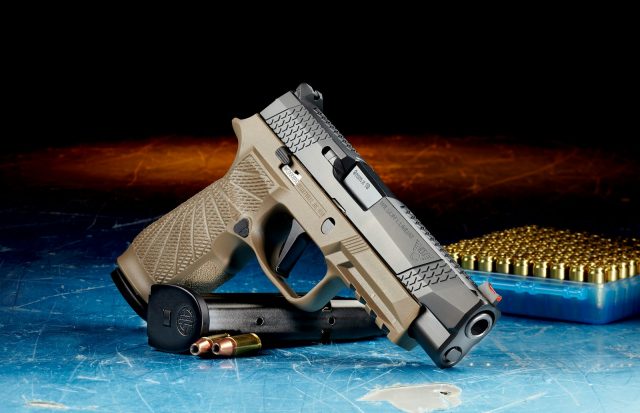
A firearm stored in the wrong container can quietly shift from safeguard to source of liability. Cabinets, often chosen for their low cost or quick accessibility, provide only modest protection against theft, fire, or careless hands. Their thin steel, simple locks, and lack of insulation create an illusion of security that rarely survives real-world stress.
Safes, in contrast, are engineered with reinforced walls, robust locking mechanisms, and fire-rated materials that withstand prying tools and rising heat. Collectors, hunters, and homeowners all approach storage with different priorities, but the stakes converge. Proper storage extends beyond hardware, touching insurance claims, legal responsibilities, and the long-term value of what’s being preserved.
Structural Differences That Impact Security
A pry bar pressed against a thin cabinet door often defeats its single latch within seconds. Most cabinets rely on sheet metal less than two millimeters thick, joined by spot welds and fitted with exposed hinges that bend under pressure. These features provide little resistance to determined entry.
Safes are engineered differently. Reinforced door overlap, multi-millimeter plates, and full-length locking bolts distribute force across multiple points, resisting leverage that easily compromises cabinets. Continuous welds and strengthened seams further limit failure under stress. For buyers, published figures on steel thickness and bolt count serve as practical benchmarks, and quality brands like Fort Knox Safes consistently demonstrate how durable construction separates genuine security from lightweight cabinets.
Fire Protection and Environmental Risks
Fire moves faster than most owners realize, and a thin cabinet provides almost no barrier. Without insulation or heat-activated seals, flames and smoke invade within minutes, warping barrels and destroying stocks. Fire-rated safes layer specialized boards and compounds that expand under heat, sealing gaps and delaying internal temperature rise long enough to preserve firearms and key records.
Moisture creates slower but equally damaging threats. Cabinets allow humidity to pool, leading to rust, warped wood, and ruined documents. Safes designed with moisture-control trays, desiccant ports, or integrated dehumidifiers stabilize internal air. A unit rated with clear fire resistance times and moisture safeguards offers practical, long-term preservation.
Practical Storage Needs as Collections Grow
Collections rarely stay small. What begins with a single rifle or shotgun often expands into crowded shelves where barrels press together and optics risk damage. Cabinets quickly run out of space, leaving owners frustrated with cramped layouts and awkward retrieval. Safes designed for growth solve these problems with taller interiors, modular shelving, and vertical racks that keep firearms upright and organized.
Added depth accommodates scoped rifles without stressing mounts, while lockable compartments protect optics and ammunition. Interior lighting and adjustable trays simplify access and reduce handling risks. A well-sized safe supports both present and future needs, preserving condition and providing order where cabinets fall short.
Legal and Household Responsibilities
Where a firearm is stored influences more than convenience—it shapes legal exposure and financial protection. An unlocked cabinet placed near daily foot traffic turns private ownership into public risk, especially in households with children or frequent visitors. Many jurisdictions now require secure storage that surpasses the simple locks or hinges found on most cabinets.
Insurers take a similar stance. Policies may deny coverage unless firearms are housed in containers that meet recognized security standards and owners maintain detailed inventories. A safe with certified locks, anchored to the floor and rated for tamper resistance, aligns with both legal requirements and insurance expectations, reducing liability while strengthening household safety.
Cost Over Time and Long-Term Value
Low prices often make cabinets attractive, yet their short lifespan turns them into repeat expenses. Thin panels warp, inexpensive locks fail, and exposure to humidity damages finishes, pushing owners toward replacements. The initial savings evaporate once multiple upgrades pile up.
Safes demand more upfront but provide stability over decades. Heavy-gauge steel, reinforced locks, and fireboard insulation extend service life and preserve condition. Larger safes also replace the need for several smaller cabinets, consolidating costs and space. Many retain resale value and come with transferable warranties. Over time, the stronger investment reduces both expense and frustration, proving durability carries its own economy.
Storage choices extend beyond convenience; they determine how firearms last, how insurers respond, and how liability unfolds in emergencies. Cabinets may handle basic display or temporary needs, but their limits surface quickly with growth, visitors, or shifting risks. Safes, built with reinforced steel and tested fire resistance, protect collections across decades rather than seasons. Their value lies in foresight: preventing loss before it occurs and avoiding repeated compromises. The strongest decision aligns construction and features with the real demands of a household, turning storage from a point of vulnerability into a lasting foundation of security and confidence.