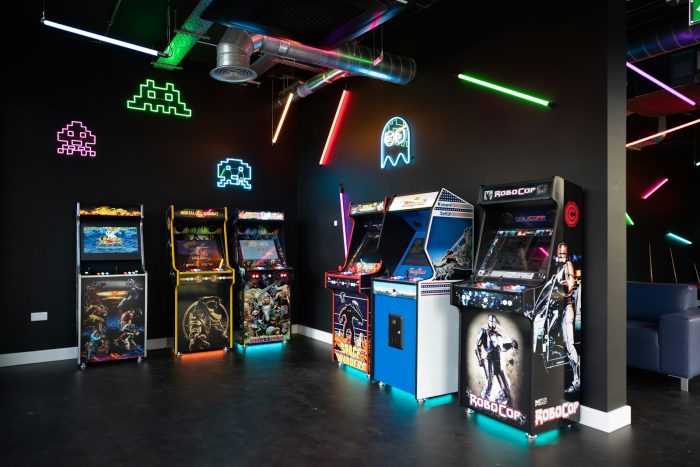
If you look closely at modern online casinos, a lot of them don’t really feel like casinos anymore. They feel like games. Not in the traditional sense of cards or roulette, but in the way menus are built, progress is shown, and feedback is delivered. This didn’t happen by accident. Casino platforms have been watching how people interact with video games for years, especially mobile games, and quietly adopting what works.
Progress Without a Finish Line
Video games learned long ago that players don’t need an ending. They need momentum. Levels, unlocks, small achievements, and visible progress keep people engaged without forcing long sessions.
Online casinos now apply the same logic. Even games with very simple mechanics often show streaks, session summaries, or recent outcomes. These aren’t there to change the math of the game. They’re there to give a sense of continuity. Players feel like they’re moving through something, even when each round stands alone.
Interfaces Built for Muscle Memory
Gamers rely heavily on muscle memory. Buttons stay in the same place. Actions behave predictably. When a game changes its layout too often, players get frustrated.
Online casinos have learned this lesson. The platforms that keep users tend to avoid dramatic redesigns. Controls stay familiar. Navigation doesn’t shift every week. Once someone learns where things are, that knowledge stays useful.
This reduces mental effort, which matters when play happens in short bursts rather than long sessions.
Feedback That Feels Immediate
In video games, feedback is instant. You press a button and something happens right away. Sound, movement, and visual confirmation tell you the input was received.
Modern casino games do the same thing. Even when outcomes take time to resolve, the interface responds immediately. Buttons change state. Animations begin. Numbers move. This creates a sense of responsiveness that keeps players comfortable, even when waiting.
Difficulty Is Emotional, Not Technical
Video games often adjust difficulty without players noticing. Enemies become stronger. Rewards become rarer. The challenge increases quietly. Online casinos don’t change odds dynamically in the same way, but they manage emotional difficulty through pacing. Wins are spaced out. Near-misses feel close without being misleading. Sessions rise and fall instead of staying flat. This emotional curve is very similar to how games keep players engaged without overwhelming them.
Social Presence Without Direct Interaction
Many video games create a sense of shared space even when players aren’t interacting directly. Leaderboards, ghost runs, or shared environments give the feeling that others are present. Online casinos do something similar. Recent results, visible activity, or shared game states create the impression that something collective is happening. Players feel part of a wider flow without needing chat or direct competition. That light social layer makes solo play feel less isolated.
Why This Design Direction Works
People today are comfortable navigating game-like systems. They understand icons, progress bars, and feedback loops instinctively. Online casinos that lean into this familiarity feel easier to use, even for new players. The goal isn’t to turn casinos into games. It’s to make them feel intuitive in a world shaped by gaming habits.
What This Means Going Forward
Online casinos aren’t trying to reinvent themselves loudly. They’re evolving quietly, borrowing design ideas that already proved effective elsewhere. As long as video games continue to shape how people interact with digital products, casinos will keep following that lead. Not because it’s trendy, but because it fits how people already think, click, and play. And in digital design, fitting habits usually matters more than inventing new ones.